Best Smart Plugs for Turning Ordinary Appliances into Smart Ones
Smart plugs have become a popular entry point into home automation, offering a simple way to bring remote control and scheduling to everyday devices. By inserting a smart plug between an appliance and its power outlet, users can manage lamps, fans, and coffee makers through a smartphone app or voice assistant. This article examines the features and performance of several smart plugs currently available in the UK market, with a focus on reliability, ease of use, and integration with common smart home ecosystems.
The evaluation process involved testing each device in a typical household setting, assessing setup procedures, app interfaces, responsiveness, and compatibility with popular platforms such as Amazon Alexa and Google Home. While no plug can guarantee flawless operation in every scenario, the following insights aim to provide a balanced overview of what to consider when selecting a smart plug for specific needs.
Key Features to Consider
When choosing a smart plug, several features merit attention. Connectivity is fundamental: most modern plugs rely on Wi-Fi, but some use Zigbee or Z-Wave, which may require a hub. Wi-Fi plugs are generally simpler to set up and do not necessitate additional hardware, but they can congest the home network if used in large numbers. Zigbee and Z-Wave plugs are often more stable and energy-efficient, but they require a compatible hub, which adds cost and complexity.
Another important feature is energy monitoring. This capability allows users to track power consumption of connected devices, which can be useful for identifying energy-hungry appliances and managing electricity usage. Not all smart plugs include this feature, and its accuracy can vary. Some plugs also offer a ‘away mode’ that randomly toggles lights to simulate occupancy, which may serve as a deterrent to potential intruders, though its effectiveness depends on external factors.
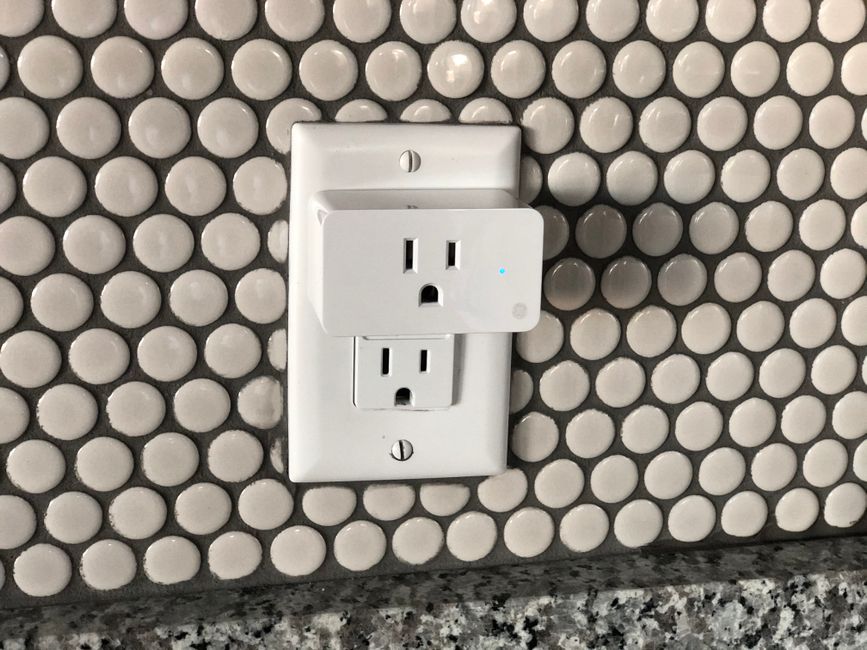
Physical design matters as well. Compact plugs are preferable because they do not obstruct adjacent sockets on a power strip. Some models have a passthrough outlet that maintains the original socket, allowing the plug to be used without losing an outlet. Additionally, the build quality and safety certifications, such as UK plug approvals, are crucial for peace of mind. These considerations form the foundation for evaluating the models discussed in this article.
Evaluation of Popular Smart Plugs
The following smart plugs were selected for testing based on their availability in the UK and their representation of different connectivity standards:
- Amazon Smart Plug – Wi-Fi, no energy monitoring, works with Alexa.
- TP-Link Kasa Smart Plug Mini – Wi-Fi, energy monitoring, works with Alexa, Google Home, and IFTTT.
- Hive Active Plug – Zigbee (requires Hive Hub), energy monitoring, works with Alexa, Google Home, and Apple HomeKit (with hub).
- Philips Hue Smart Plug – Zigbee (requires Hue Bridge), no energy monitoring, works with Alexa, Google Home, and Apple HomeKit.
- Meross Smart Plug Mini – Wi-Fi, energy monitoring, works with Alexa, Google Home, and Apple HomeKit (with certain models).
Each plug was tested for setup ease, app user-friendliness, responsiveness to commands, reliability of scheduling, and integration performance. The following sections summarize the findings for each model, highlighting strengths and potential limitations.
Amazon Smart Plug
The Amazon Smart Plug is a compact Wi-Fi plug designed primarily for use with Alexa. Setup is straightforward: after plugging it in, one simply uses the Alexa app to discover the device. The app guides the user through the process, which takes only a few minutes. The plug responds quickly to voice commands and routines, and its physical size is minimal, fitting well in most outlets. However, it lacks energy monitoring and only works directly with Alexa, limiting its compatibility with other ecosystems. For households heavily invested in Amazon’s ecosystem, this plug offers a seamless experience, but it may not suit those who use Google Home or Apple devices.
TP-Link Kasa Smart Plug Mini
The TP-Link Kasa Smart Plug Mini is a Wi-Fi plug that supports both Alexa and Google Home, and it includes energy monitoring. The Kasa app provides a clear interface for setting schedules and viewing power usage. During testing, the plug maintained a stable Wi-Fi connection and responded promptly to commands. Its compact size does not obstruct adjacent sockets. The energy monitoring feature is a notable advantage, as it allows users to track the consumption of devices like heaters or air conditioners, though the accuracy may vary with different appliances. Setup is slightly more involved than the Amazon plug because it requires the Kasa app and creating an account, but the process is intuitive. This plug offers a good balance of features for its price point.
Hive Active Plug
The Hive Active Plug is part of the Hive smart home ecosystem, which uses Zigbee and requires the Hive Hub for connection. The hub adds cost, but it also enhances reliability and allows the plug to function even if the internet is down, as schedules are stored locally. The Hive app is well-designed, and the plug supports energy monitoring and integration with Alexa, Google Home, and Apple HomeKit through the hub. During testing, the plug performed consistently, with no noticeable lag in response. The main drawback is the initial investment in the hub, which may not be justified if the user only intends to use one or two smart plugs. For those already using Hive products, this plug integrates seamlessly.
Philips Hue Smart Plug
The Philips Hue Smart Plug is designed to work with the Hue Bridge, which is required for operation. Since many households already own a Hue Bridge for their lighting, this plug can be a convenient addition. It does not include energy monitoring, but it is compatible with Alexa, Google Home, and Apple HomeKit. Setup is typical of Philips Hue products: the bridge automatically detects the plug, and the app guides the user. The plug is robust and trustworthy, reflecting the brand’s reputation for quality. However, if the user does not have a Hue Bridge, the extra cost makes this plug less attractive in terms of value.
Meross Smart Plug Mini
The Meross Smart Plug Mini is a Wi-Fi plug that supports multiple platforms, including Alexa, Google Home, and Apple HomeKit, making it a versatile option. It also includes energy monitoring in some versions. The Meross app is straightforward, and setup involves connecting the plug to the Wi-Fi network and adding it to the preferred assistant. In testing, the plug functioned reliably, with quick response times. Its compact design is similar to the others. However, some users have reported that the energy monitoring feature is not as accurate as dedicated monitors, but for general usage it provides useful insights. The main selling point is its broad compatibility, which makes it a good choice for mixed-ecosystem households.
Practical Considerations for Use
When integrating smart plugs into daily routines, users should consider several practical aspects. Placement is important: plugs should be accessible for manual override if needed, but not in high-traffic areas. Security is another factor; ensuring that the Wi-Fi network is secure and that firmware updates are applied can reduce the risk of unauthorized access, though no device is completely immune.
Energy monitoring can be a helpful tool for managing electricity consumption, but it is not a substitute for professional energy audits. The data provided by smart plugs can indicate trends, but actual savings depend on user behavior and the efficiency of the appliances themselves. It is also worth noting that standby power consumption of appliances can be reduced by switching them off via smart plugs, but this depends on the type of appliance and its standby characteristics.
Reliability is a key concern for any smart home device. Factors such as internet stability, router placement, and the number of connected devices can affect performance. In areas with unreliable internet, local control options like Zigbee or Z-Wave may be more dependable. Users should also be aware that smart plugs rely on cloud services for remote access, so if the service is down, remote control may be unavailable, though schedules often still work.
Conclusion
Selecting the best smart plug depends on individual needs and existing smart home infrastructure. For those deeply integrated into the Alexa ecosystem, the Amazon Smart Plug offers a seamless experience, while the TP-Link Kasa Smart Plug Mini provides a balance of features and affordability for a wider range of users. If reliability and local control are priorities, the Hive Active Plug with its hub may be worth the investment, especially for those already using Hive products. The Philips Hue Smart Plug is an excellent choice for Hue users, and the Meross Smart Plug Mini appeals to those with a mix of voice assistants.
It is important to remember that no smart plug can guarantee a specific outcome, as performance is subject to various external factors such as network stability and appliance compatibility. Users should evaluate their own circumstances and preferences when making a choice.
Ultimately, the best smart plug for a given household is one that fits seamlessly into its daily routines, offers the desired features, and operates reliably within its network environment. By considering the factors outlined in this article, consumers can make an informed decision that aligns with their lifestyle and home automation goals.